The Public Reading of Scripture
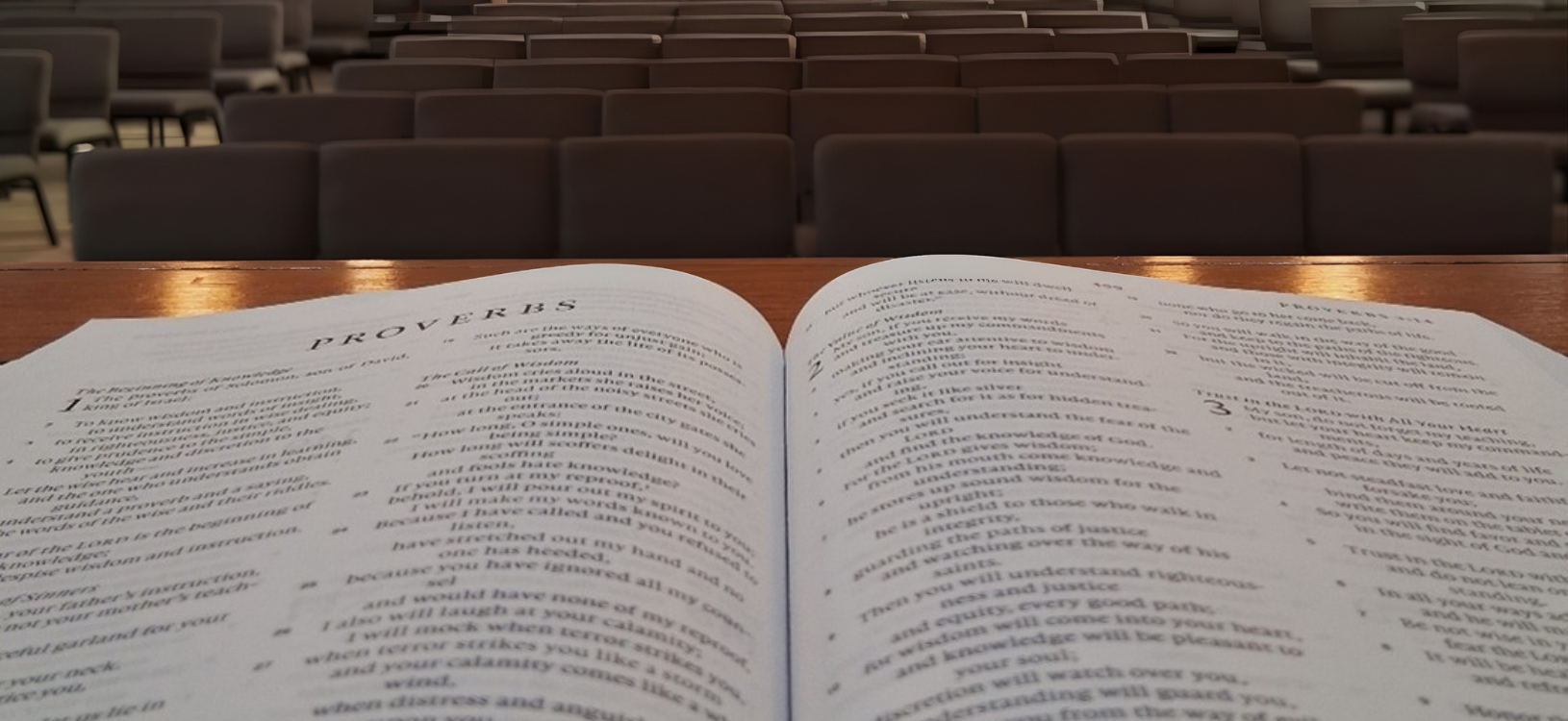
“Until I come, devote yourself to the public reading of Scripture…” – 1 Timothy 4:13a
We believe that when Scripture speaks, God speaks. This leads us to commit ourselves to Bible reading schedules, Scripture memorization, Bible studies, reading books about the Bible, biblical sermons, and more. But there is a unique component of our Bible interaction that we should not overlook: the public reading of Scripture.
As soon as there was written Scripture, it was read publicly. Moses, after meeting with the Lord on Mount Sinai, “took the Book of the Covenant and read it in the hearing of the people.” And the people responded, “All that the LORD has spoken we will do, and we will be obedient” (Ex. 24:7). The reading of Scripture invoked a response precisely because of what it was: the words of God to his people.
When Israel entered the promised land, the people stood in front of the twin mountains of Mt. Ebal and Mt. Gerizim, and there Joshua read all the Law: “There was not a word of all that Moses commanded that Joshua did not read before all the assembly of Israel…” (Josh. 8:35). He read all the commands to all the people. Together, they learned how they were to live as they listened to Scripture read.
Centuries later, Josiah, the last righteous king of Judah, read the re-discovered Scriptures to all the people of Jerusalem. “And he read in their hearing all the words of the Book of the Covenant that had been found in the house of the LORD” (2 Kings 23:2). Even in the last days of the kingdom, the people needed to hear all the Scripture read.
After Israel’s exile and return, and after the rebuilding of the Temple and the repair of the Jerusalem wall, the people gathered and told Ezra to bring the Book of the Law, which he read nearly all day. “And he read from it … from early morning until midday, in the presence of the men and the women and those who could understand. And the ears of all the people were attentive to the Book of the Law” (Neh. 8:3). The listening was as important as the reading, for they did their listening with attentive ears. This was to set the direction of their lives in the land.
It should come as no surprise, then, that one of Paul’s commands for the right conduct of the church was devotion to the public reading of Scripture (1 Tim. 4:13). If it was important for Israel to hear the words of God, how much more then, for the church? We must hear God’s voice in order to trust his promises and do his will. This is more than private devotions, as important as those are. This also includes hearing God’s word with attentive ears and hearts resolved to do what he tells us and doing it together.
This is why we have committed ourselves on Sunday mornings to open the worship service with the reading of God’s words. The opening reading of God’s word is not a portion of the service we can neglect. We ought to approach it with reverence and attentiveness as together we hear the will of our God for us and then pray together that we may follow his revealed word.
We need to hear God’s words. And we need to hear them together as God’s people. Revelation, the final book of Scripture, promises blessing for its public reading and heeding: “Blessed is the one who reads aloud the words of this prophecy, and blessed are those who hear, and who keep what is written in it, for the time is near” (Rev. 1:3).
Scripture quotations are from the ESV® Bible (The Holy Bible, English Standard Version®), Copyright © 2001 by Crossway, a publishing ministry of Good News Publishers. Used by permission. All rights reserved.